Before the first ride

A good ride starts before the throttle.

Electric bikes, scooters, dirt bikes, go-karts, ATVs, UTVs, motorcycles, and mobility products all require careful setup, inspection, and responsible use.

This guide is designed to help RideVolt customers think through the essentials: fit, protective gear, pre-ride checks, battery safety, youth supervision, legal requirements, and maintenance habits.
Quick safety checklist

Wear the right helmet and eye protection.

Inspect brakes, tires, steering, chain, lights, throttle, and battery.

Confirm rider size, skill level, terrain, and local rules.

Read the manual before use and after assembly.

Stop riding if anything feels loose, damaged, overheated, or unstable.

Protective gear matters

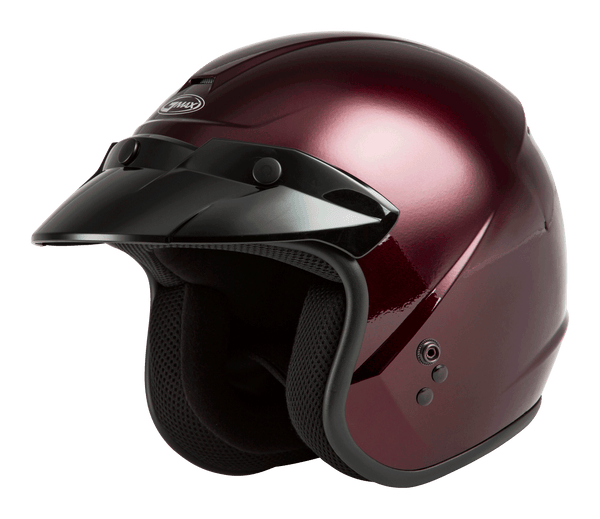
Every ride category needs the right protection. Helmets and goggles are not accessories; they are part of the ride.

Pre-ride inspection

Check the machine before every ride.

A fast inspection can prevent avoidable problems. If something feels wrong, stop and fix it before riding.

Shop parts

Check tire pressure, tread, sidewalls, wheel alignment, axle hardware, and any signs of rubbing, cracking, or damage.

Test brakes, throttle, steering, handlebars, levers, pedals, switches, and kill switches before use. Controls should move smoothly and return properly.

Inspect battery housing, charge port, wires, connectors, and charger condition. Do not ride or charge if anything is damaged, loose, wet, swollen, hot, or leaking.

Check chain or belt tension, sprockets, suspension hardware, frame welds, seat mounts, fasteners, and anything that may loosen during riding.

For street, driveway, evening, or low-light use, check lights, reflectors, horn if equipped, mirrors if equipped, and visible clothing or gear.

Youth riding

Choose by rider, not by looks alone.

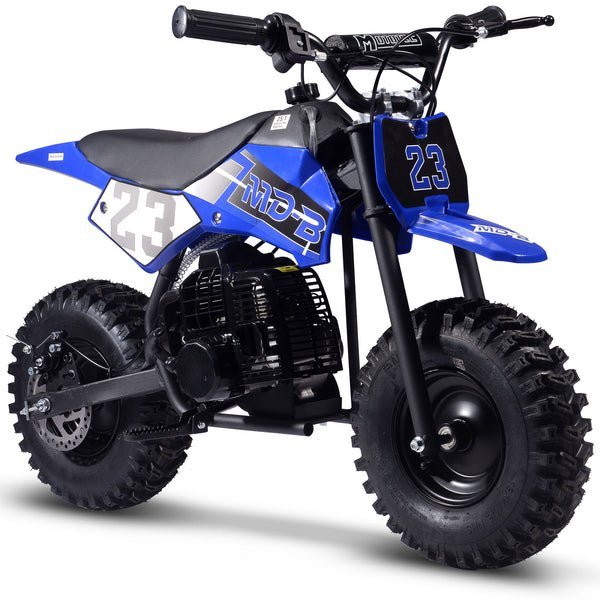
Kids dirt bikes, youth ATVs, and go-karts should be selected by age, height, weight, experience, speed, controls, and riding area.

Adults should supervise youth riders, set clear boundaries, inspect the product before each ride, and make protective gear non-negotiable.

Shop kids rides Shop youth helmets

Electric ride and battery safety

E-bikes, scooters, electric dirt bikes, trikes, skateboards, wheelchairs, and mobility products need careful charging and storage habits.

Use the right charger

Use only the charger recommended for the battery and product. Mismatched chargers can damage batteries or create safety risks.

Charge with attention

Charge in a dry, ventilated area away from flammable materials. Do not charge damaged, swollen, leaking, wet, or overheated batteries.

Store with care

Store batteries away from extreme heat, freezing conditions, moisture, direct sun, and impact. Follow the manufacturer storage instructions.

Stop using a battery immediately if it smells unusual, smokes, leaks, swells, overheats, sparks, or shows physical damage.

Terrain and local rules

Know where the ride belongs.

Not every ride belongs on every road, trail, park, campus, sidewalk, or property. Local rules can vary widely.

Before riding, confirm whether the product is allowed where you plan to use it. Some products may require registration, insurance, license, lights, mirrors, age minimums, helmets, or private-property use only.

Read FAQs

Assembly and maintenance

Large rides and electric products may require setup, adjustment, inspection, and regular maintenance before safe operation.

By ride type

Different rides need different habits.

Use these quick reminders as a starting point, then follow the product manual for your specific model.

Check brakes, tire pressure, folding latches if equipped, lights, throttle response, battery charge, charger condition, and local e-bike or scooter rules.

Check brakes, throttle, chain, tires, fuel system if gas-powered, kill switch, suspension, helmet fit, and rider experience before use.

Check seat belts if equipped, roll structure if equipped, steering, brakes, throttle, tires, passenger limits, terrain limits, and adult supervision for youth riders.

Measure carefully, choose gear suited to the ride type, replace damaged helmets, clean lenses properly, and confirm that gear does not block vision or movement.

Confirm compatibility before installation. Check voltage, connector type, model version, dimensions, tire size, brake type, and manufacturer notes.

Need help choosing safer gear or the right ride?

Send us the rider age, height, experience, terrain, budget, and product you are considering. We will help point you toward the right starting place.

Contact RideVolt Shop safety gear